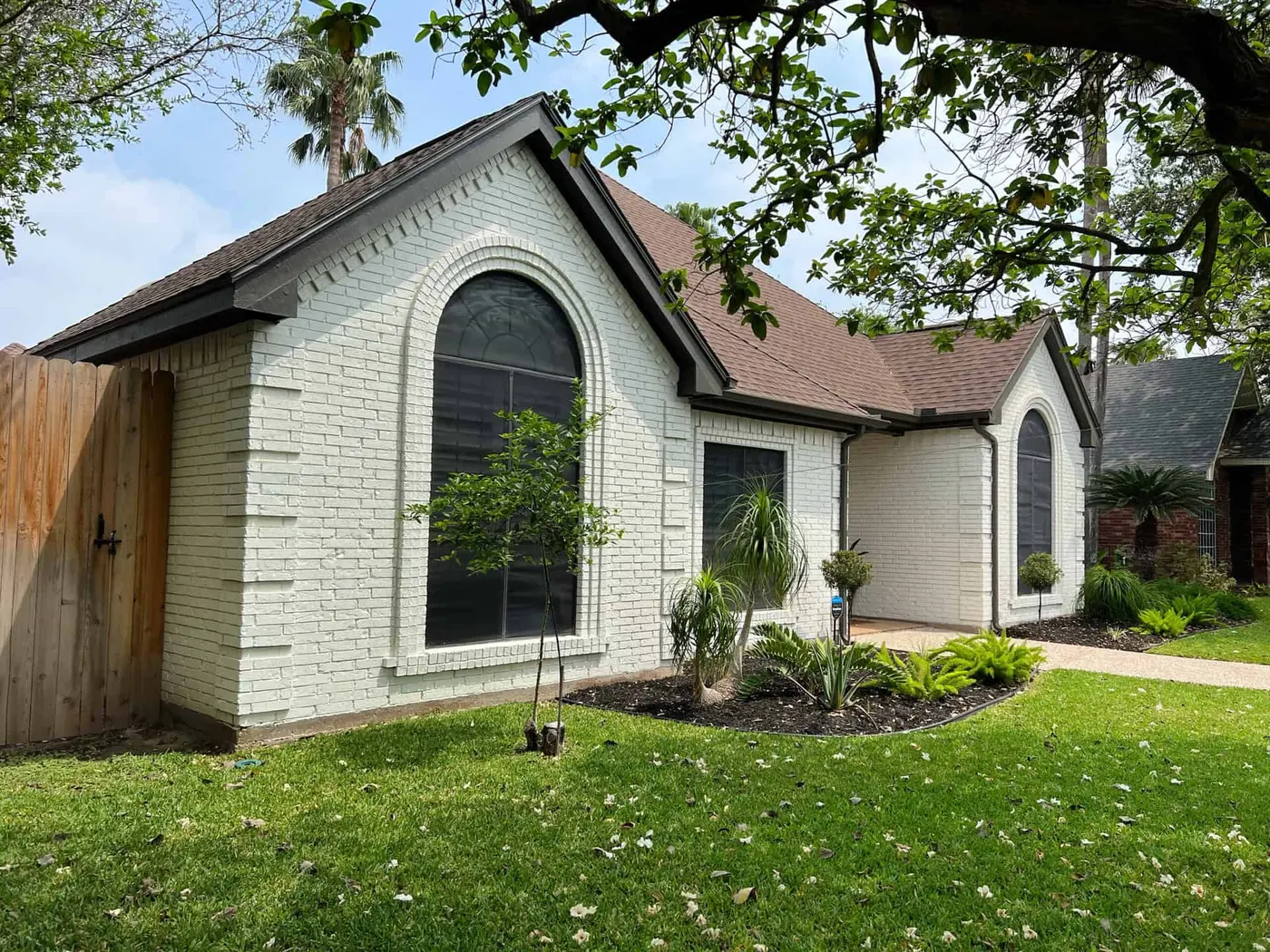
Why does exterior paint bubble? It’s a frustrating question for homeowners faced with the unsightly appearance of bubbling paint on their home’s exterior surfaces. From weather-related factors to application errors, several reasons contribute to this common problem. Understanding the root causes behind exterior paint bubbling is crucial for addressing and preventing it effectively.
In this insightful article, we unravel the mysteries behind why exterior paint bubbles occur, empowering homeowners with the knowledge to maintain a pristine and long-lasting paint finish on their property.
Key Takeaways
Exterior paint bubbles can occur due to various factors, including heat, moisture, poor surface preparation, trapped moisture, low-quality paint products, and more.
Changes in temperature, high humidity levels, and exposure to rain can cause the paint to expand and contract, leading to the formation of bubbles.
Preventing Exterior Paint Bubbling
Exterior paint bubbling after rain is a common issue caused by moisture infiltration. When rain penetrates through cracks or unsealed areas in the exterior surfaces, it gets trapped under the paint. As the moisture tries to evaporate, it creates pressure, causing the paint to bubble and lift from the surface.
This problem is often exacerbated by inadequate surface preparation, using low-quality paint, or applying paint in humid conditions. To prevent bubbling, ensure the surface is clean, dry, and properly primed. Using high-quality, waterproof exterior paint and sealing all gaps can significantly reduce the risk of moisture-induced paint bubbling.
Heat and Moisture
Heat and moisture play a significant role in the formation of exterior paint bubbles. When exposed to changes in temperature, high levels of humidity, and frequent rainfall, the paint on your home’s exterior can expand and contract. This continuous movement creates stress on the paint surface, leading to the development of small bubbles.
Poor Surface Preparation
Inadequate surface preparation before applying paint is a common cause of exterior paint bubbling. When the surface is not properly cleaned, sanded, or primed, the paint may struggle to adhere correctly, resulting in unsightly bubbles and blisters.
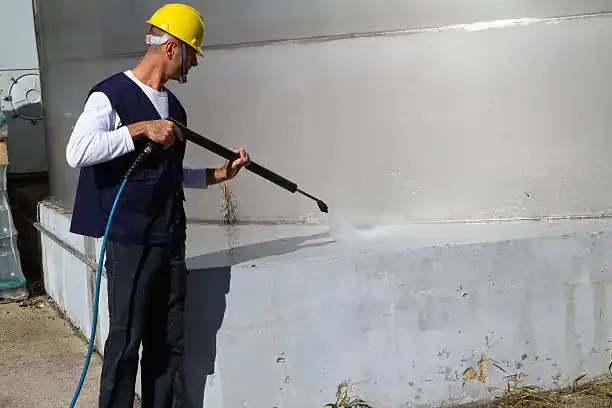
To ensure a smooth and long-lasting paint finish, it is essential to invest time and effort in proper surface preparation. This involves thoroughly cleaning the surface to remove dirt, dust, grease, and any loose or flaking paint. Sanding the surface helps create a rough texture for better paint adhesion. Additionally, applying a suitable primer will enhance adhesion and promote a more uniform paint finish.
Moisture Trapped Underneath
In some cases, moisture can become trapped between the surface and the paint layer, leading to exterior paint bubbling. This issue typically arises due to underlying problems such as leaks, water seepage, or poor drainage systems. When moisture gets trapped, it can gradually cause the paint to bubble and peel away, compromising the integrity and appearance of the exterior paintwork.
Low-Quality Paint Products
When it comes to painting the exterior of your home, using high-quality paint products is essential to ensure long-lasting and beautiful results. Unfortunately, opting for low-quality paint can have detrimental effects, including exterior paint bubbling.
Cheap paints often lack the necessary ingredients and adhesion properties required to withstand the harsh outdoor conditions. As a result, they tend to deteriorate prematurely and can cause unsightly bubble formation on the painted surfaces.