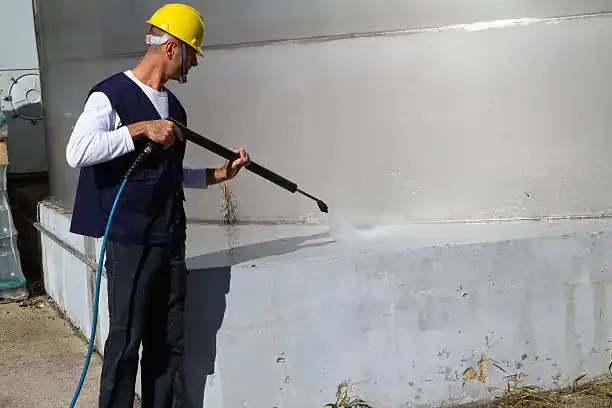
When it comes to cleaning the exterior of your home, soft washing vs pressure washing is a comparison you’ll often encounter. Both methods are effective, but they serve different purposes and are suitable for specific surfaces. Understanding the differences between soft washing and pressure washing is essential for choosing the right technique to protect your property while achieving the best results. In this article, we’ll break down how these two cleaning methods work, their key differences, and when to use each for optimal care of your home or business.
Key Takeaways
Soft washing uses low pressure combined with specialized cleaning solutions, making it ideal for delicate surfaces like roofs and painted exteriors, while pressure washing uses high-pressure water for tougher, durable surfaces like concrete and brick.
Soft washing is more effective at removing organic growth such as mold, mildew, and algae, and provides longer-lasting results compared to pressure washing, which primarily removes surface dirt.
What is Soft Washing?
Soft washing is a low-pressure cleaning method that uses specialized detergents or cleaning solutions to break down and remove dirt, algae, mildew, and other contaminants from the surface of your home or property. Unlike pressure washing, which uses high-pressure water to forcefully clean surfaces, soft washing relies on a combination of chemical agents and gentle water pressure to clean surfaces without causing damage.
The key benefit of soft washing is its ability to clean delicate surfaces without risking the damage that high-pressure washing could cause. It’s especially effective for surfaces like roofs, painted exteriors, and areas that may be prone to damage from high-pressure streams.
Pros
Gentler on Surfaces: Soft washing uses a gentle stream of water and powerful cleaning solutions, making it safe for sensitive surfaces like roofs, vinyl siding, and painted exteriors.
Longer-Lasting Results: The chemical cleaning agents used in soft washing help to kill mold, mildew, algae, and bacteria, which means the results last longer compared to pressure washing.
Cons
Slower Process: Since soft washing relies on chemical treatments and a gentle spray, it typically takes longer to clean surfaces compared to pressure washing.
Requires Specialized Solutions: Soft washing often requires the use of specific cleaning agents that can add to the cost and require careful handling.
What is Pressure Washing?
Pressure washing, or power washing, is a cleaning method that utilizes high-pressure water to remove dirt, grime, stains, and other debris from hard surfaces. This method is often used on concrete, brick, stone, and other durable materials. Pressure washing works by delivering a forceful stream of water that blasts away dirt and contaminants, making it ideal for outdoor spaces like driveways, patios, and decks.
Pressure washing is known for its speed and efficiency, especially when cleaning large areas with tough dirt or stains. However, it’s important to note that pressure washing may not be suitable for all surfaces, especially those that are delicate or easily damaged.
Pros and Cons of Pressure Washing
Quick and Efficient: Pressure washing is highly effective and fast, making it perfect for large areas or stubborn stains.
Great for Hard Surfaces: Pressure washing excels at cleaning tough, hard surfaces such as concrete, brick, stone, and driveways, removing deep-seated dirt and grime.